
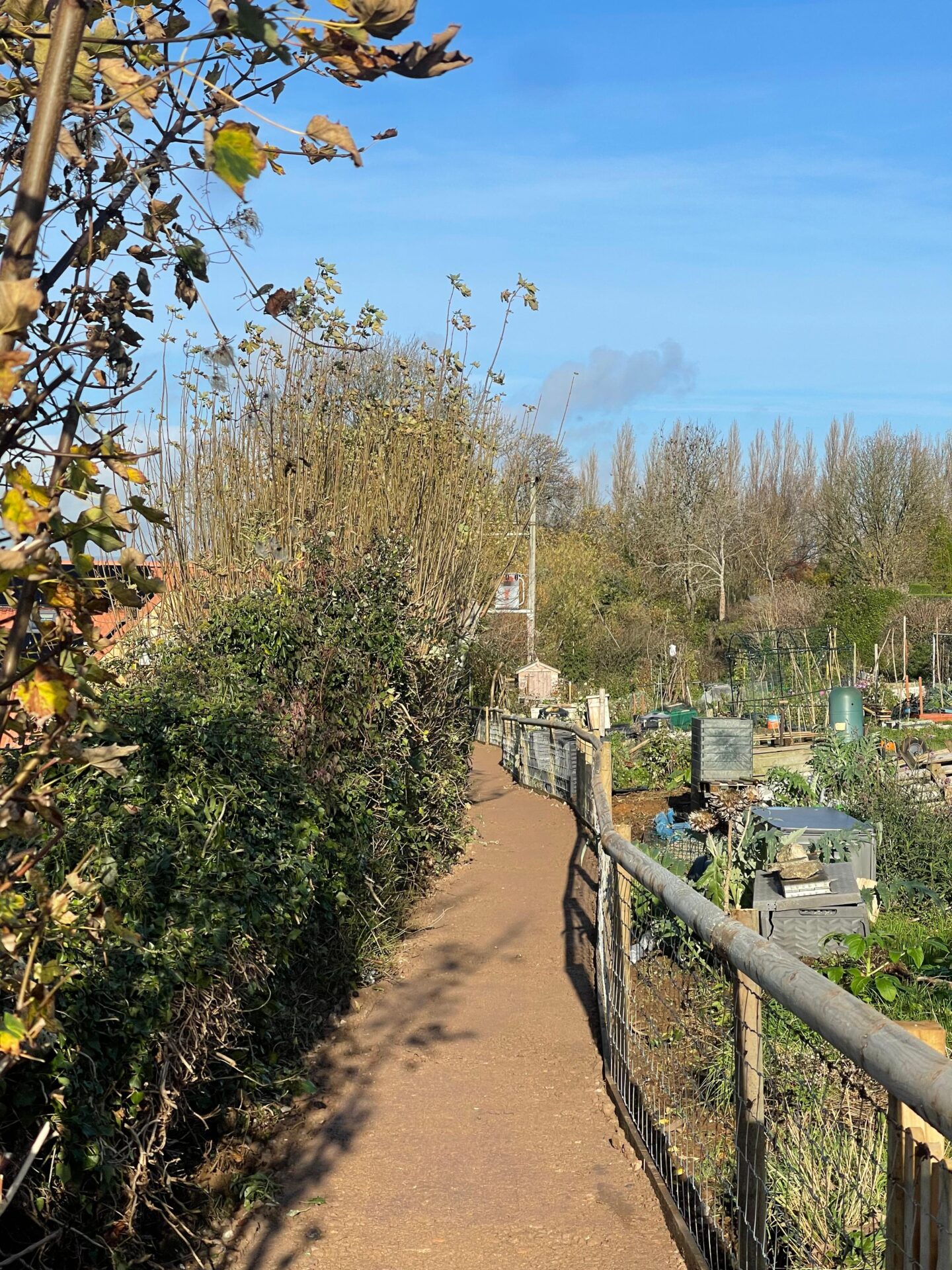
Work to upgrade the well-used footpath above the Westend allotment site is now firmly underway. The long-anticipated project is transforming the narrow Westend path into a safer, more accessible route that benefits people, the environment, and local biodiversity.
The scheme will widen the 120-metre route to 1.2 metres, install shutter-board edging, resurface the path with durable stone, and add fencing on both sides. Once complete, it will provide a safe, year-round link connecting the community to the Westend allotments and nearby green spaces. Around 300 local residents – along with dozens of allotment holders – regularly use this path as part of a wider walking network recently improved with new kissing gates.
Beyond convenience, the project is designed to help the community adapt to climate change and embrace low-carbon lifestyle choices. By improving accessibility, the upgraded route encourages residents to walk or cycle instead of relying on cars for short journeys, reducing transport emissions and promoting healthier, active travel habits. The improved connectivity also opens up regular access to nature for people of all ages and abilities, from families with young children to older residents and those with limited mobility.
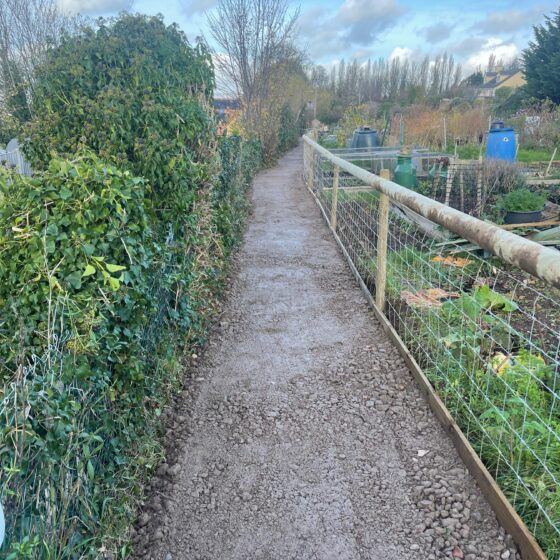
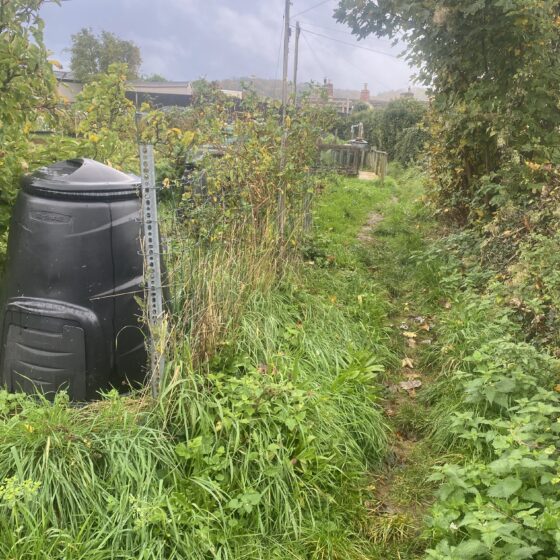
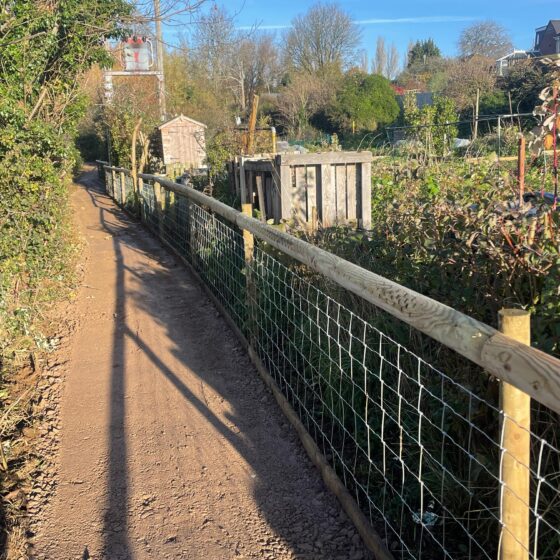
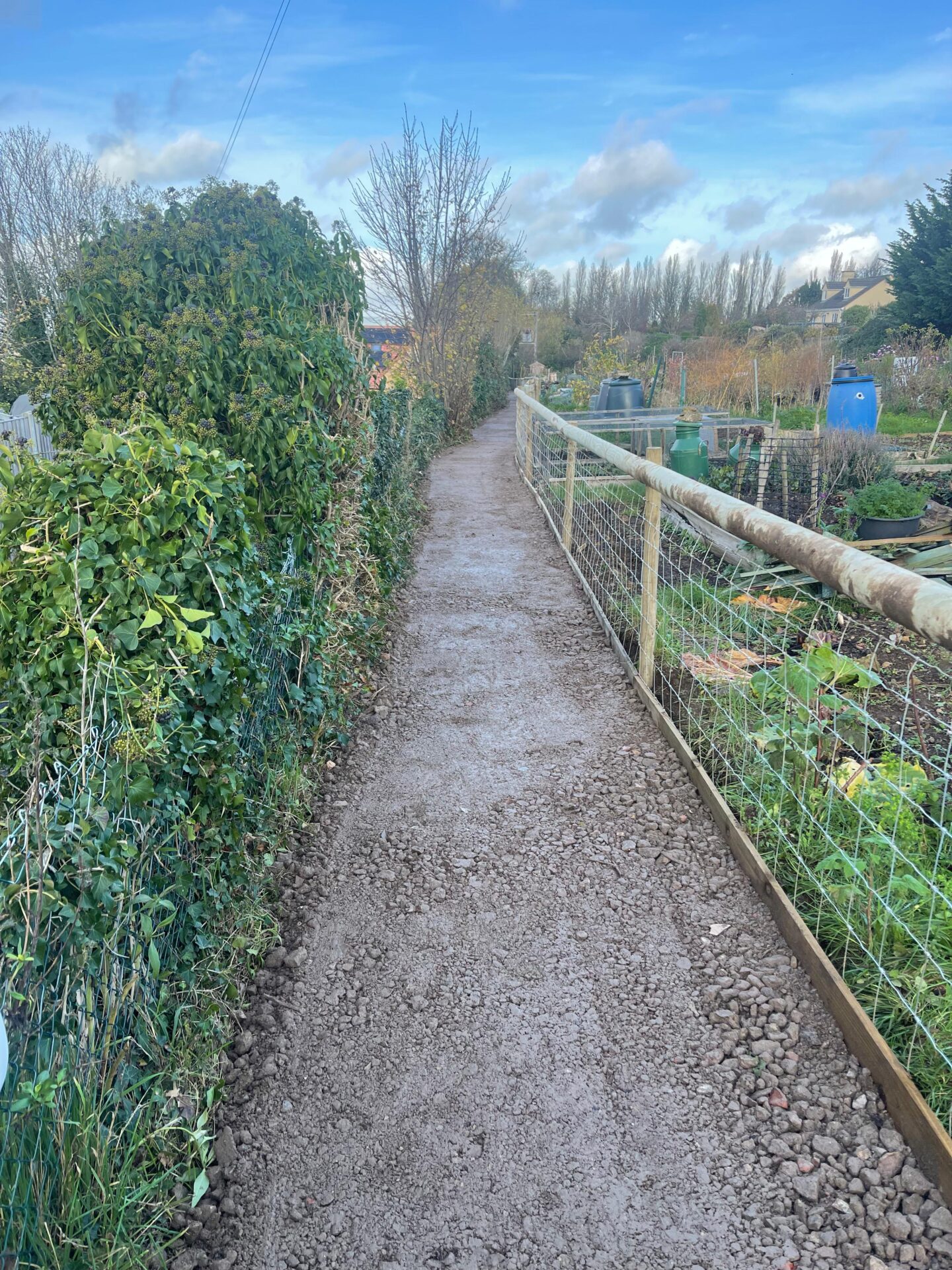


The path’s role in supporting behaviour change goes further: easier access to the allotments is expected to increase participation in community growing, encouraging sustainable food practices that reduce household carbon footprints. More frequent outdoor activity and stronger engagement with local green spaces also contribute to community wellbeing and resilience in the face of climate impacts.
Nature recovery is another key outcome. The clearer, better-defined route and protective fencing will help prevent trampling and soil erosion, giving surrounding habitats space to regenerate. This supports wild plants, insects, and pollinators, while increased allotment engagement promotes biodiversity through pollinator-friendly planting, composting, and improved land management.
Project Outcomes Include:
-
- Improved accessibility to green space for all residents, including those with mobility challenges.
- Increased walking and active travel, reducing car dependency and associated carbon emissions.
- Greater community participation in allotment gardening, encouraging sustainable food habits.
- Enhanced biodiversity along the footpath corridor and within the allotments.
- Strengthened community resilience by connecting people to local food sources and outdoor recreation.With construction progressing well and the upgraded path already taking shape, anticipation continues to grow for its completion — and the wide-ranging benefits it promises for people, climate, and nature.