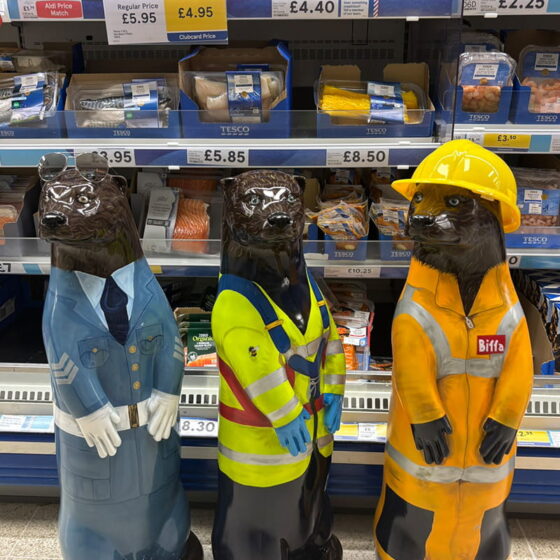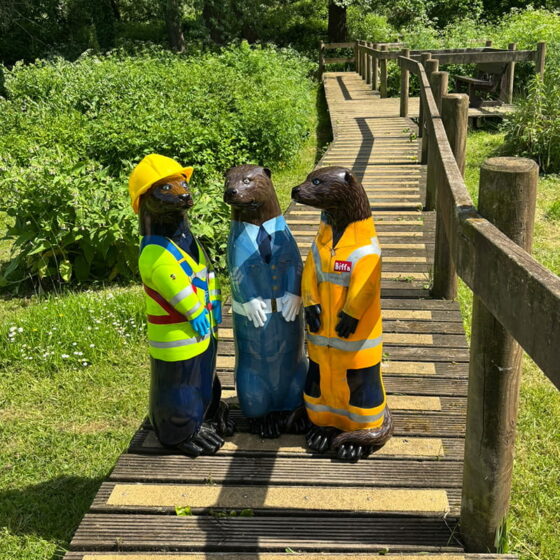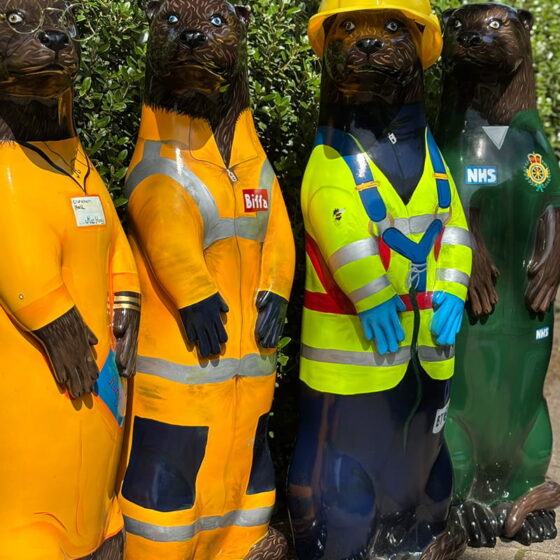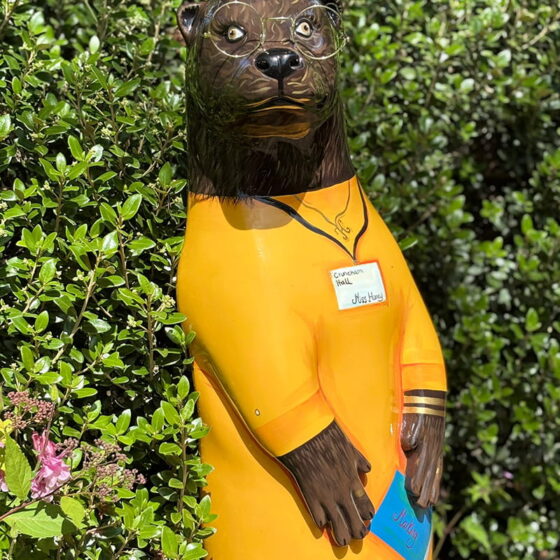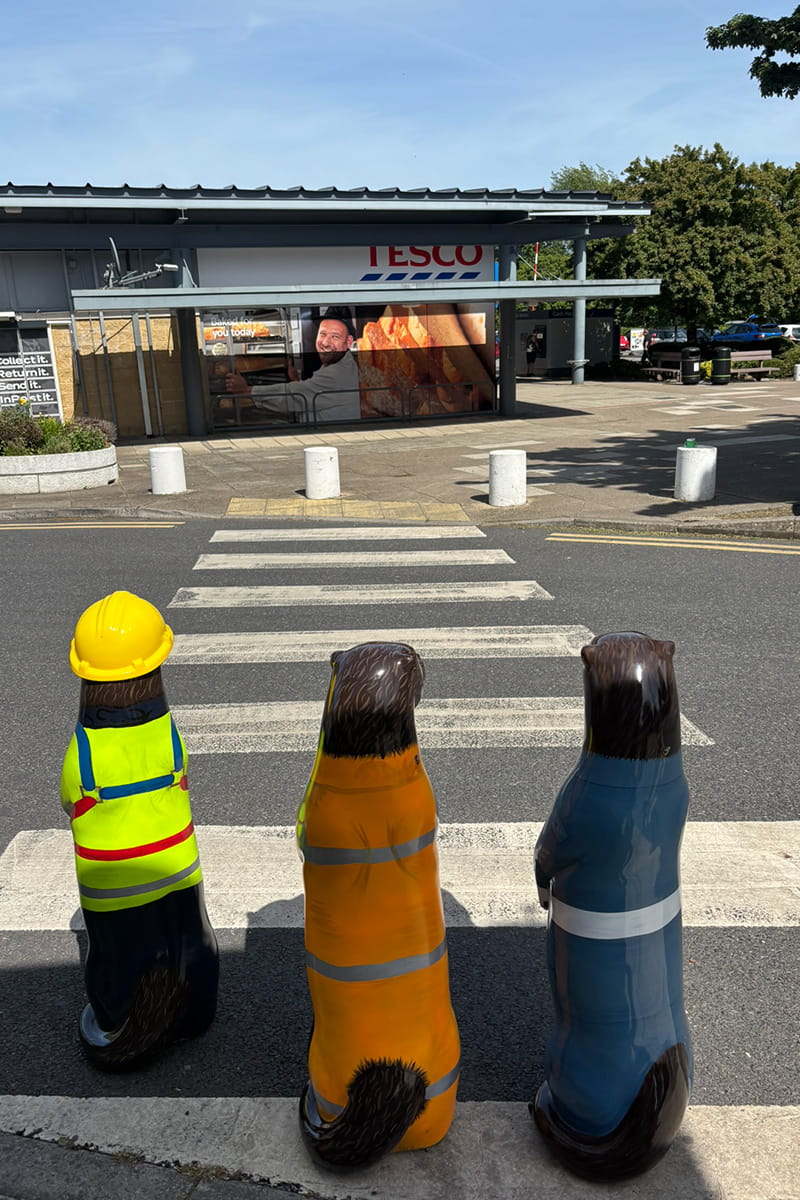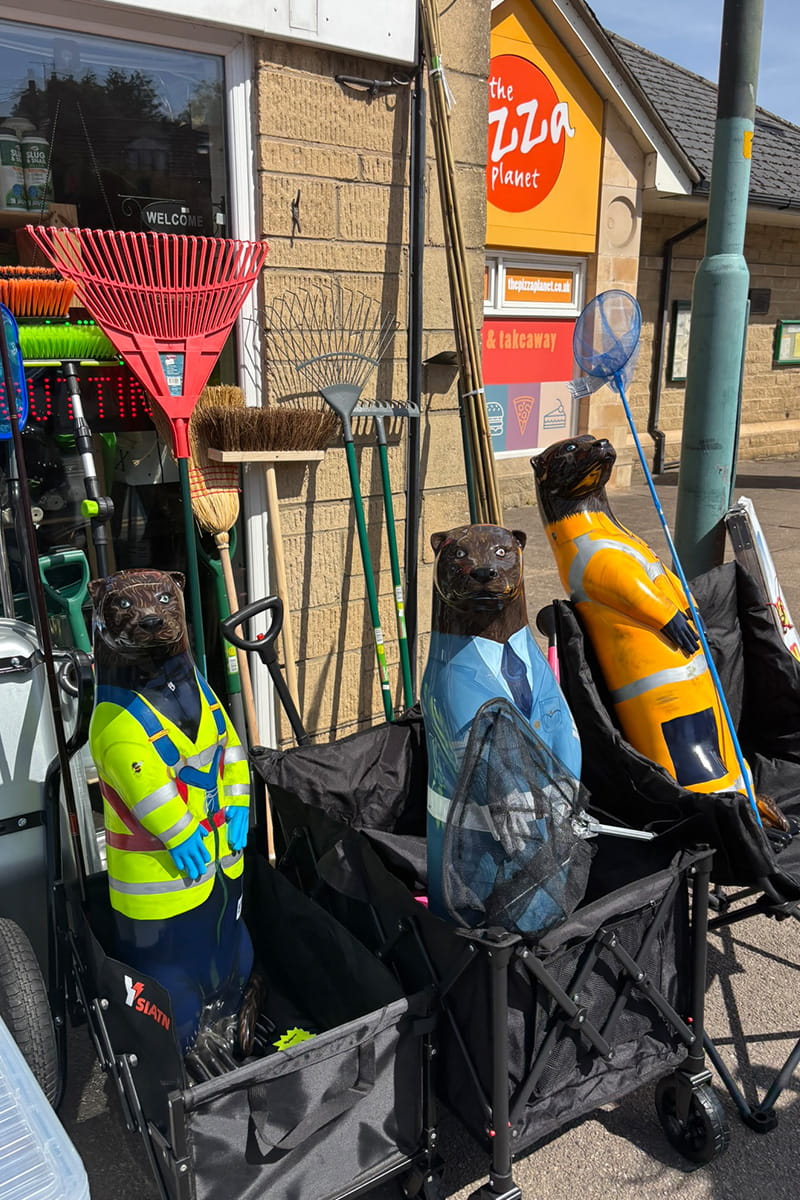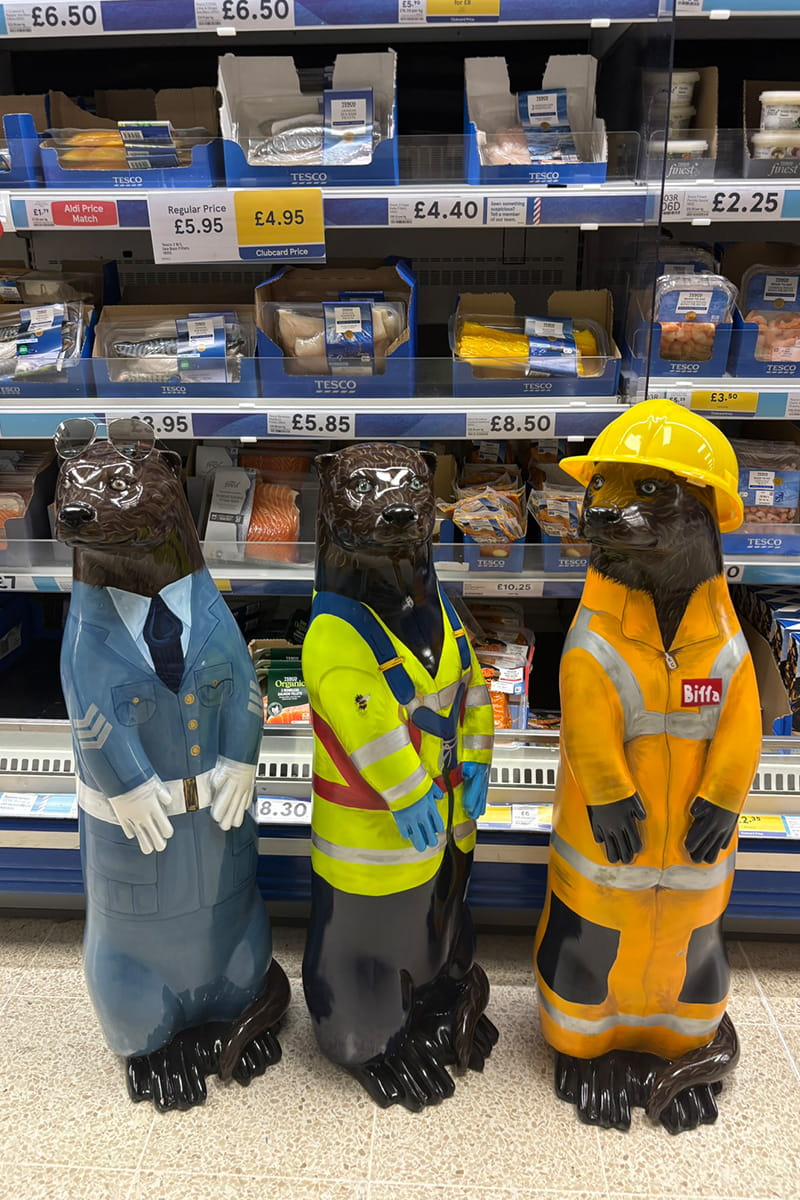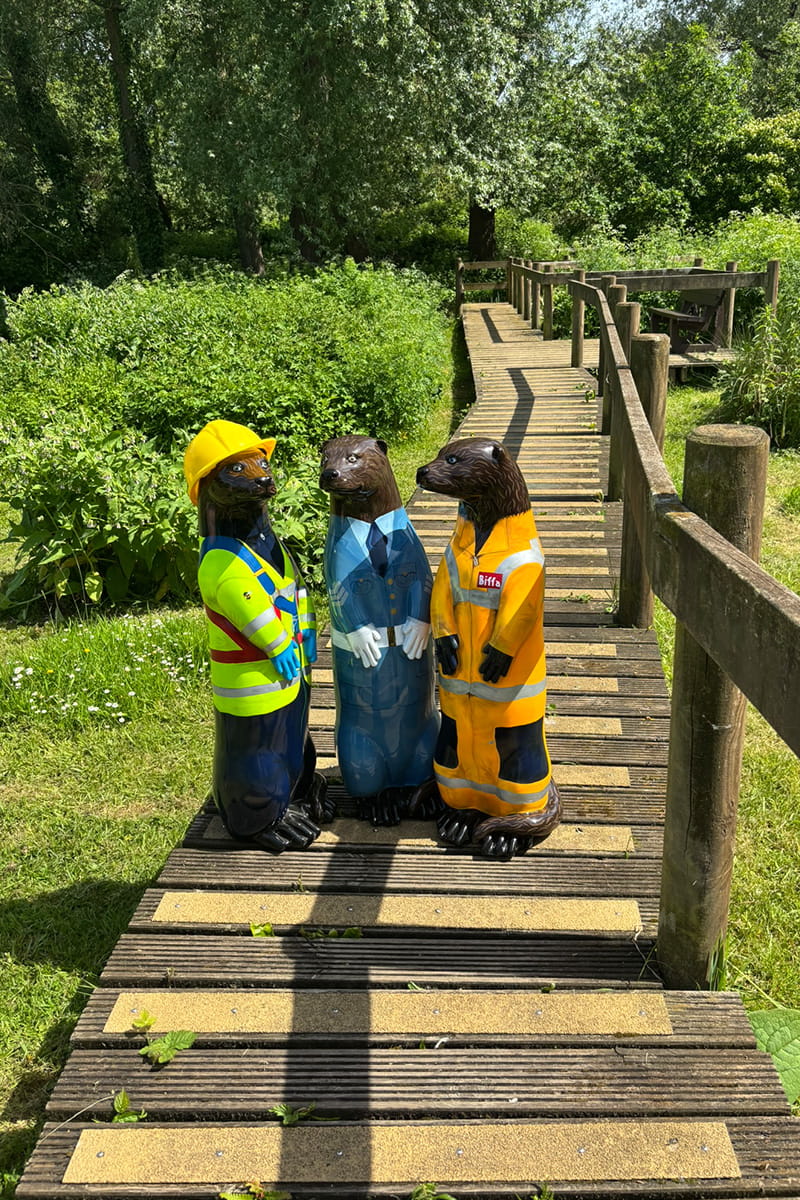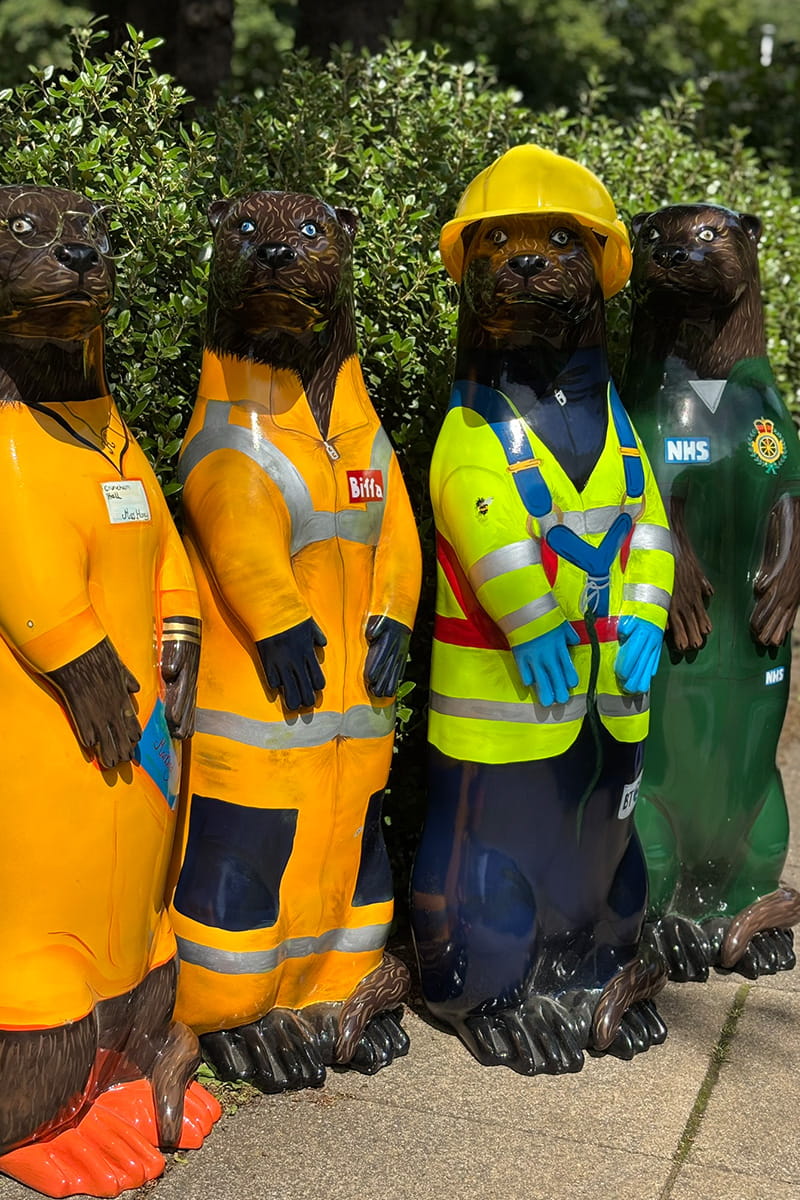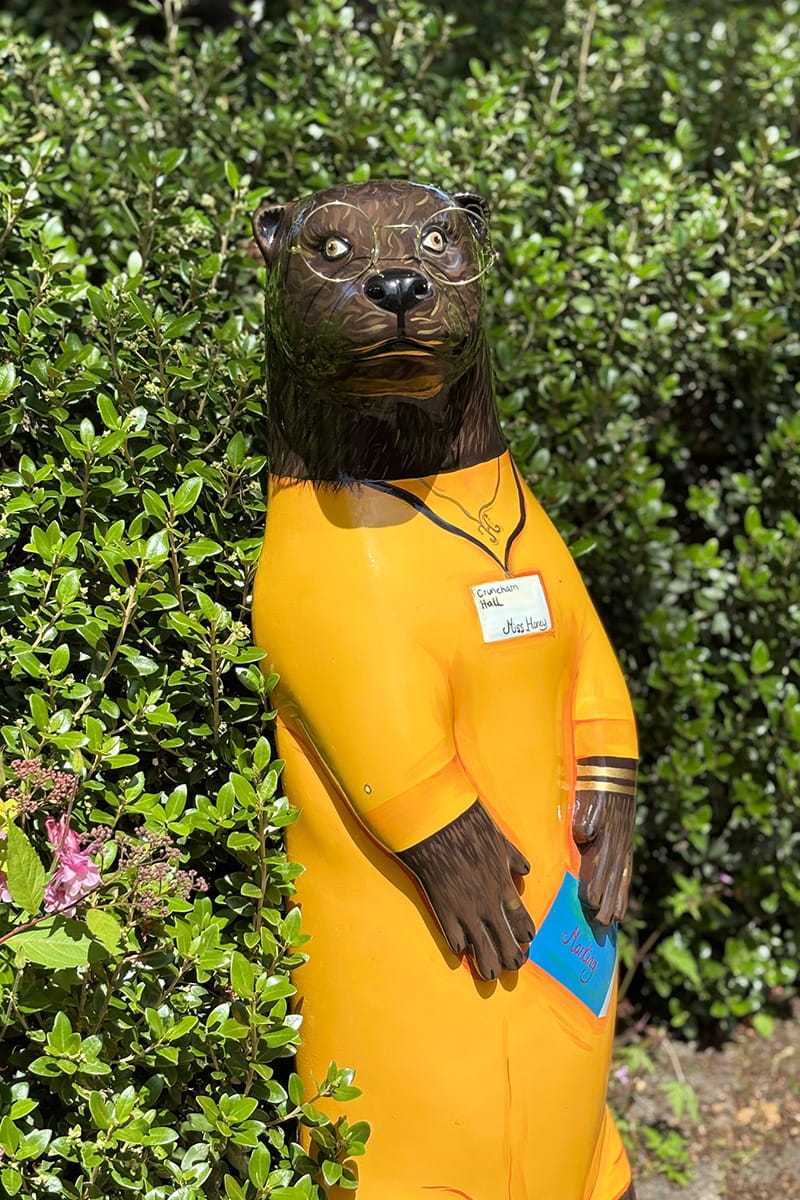
Welcome to the Cam Otter trail – Be a Cam Otter Spotter!

Get ready for an otterly exciting summer adventure!

Cam Parish Council is delighted to launch the Cam Otter Trail (#camotterspotter) – a fun, family-friendly trail designed to encourage our community to get outdoors, explore our beautiful parish, and discover some mischievous new residents along the way.

Throughout the summer holidays, a playful collection of otters will be hidden across Cam, with local businesses creating special “homes” for each one. Your mission, should you choose to accept it, is to become an official Otter Spotter! Simply collect an illustrated trail map and sticker from Cam Parish Council, then set off to explore, spot the otters, and discover new corners of our community.

Whether you’re a keen explorer, a young adventurer, or simply looking for a fun day out with family and friends, the Cam Otter Trail offers the perfect opportunity to enjoy the great outdoors, support local businesses, and make lasting summer memories.

So, keep your eyes peeled, your map at the ready, and don’t let this opportunity swim by — we’d love to see the whole community getting involved and having an otterly brilliant time!

The Otters are always on the move…
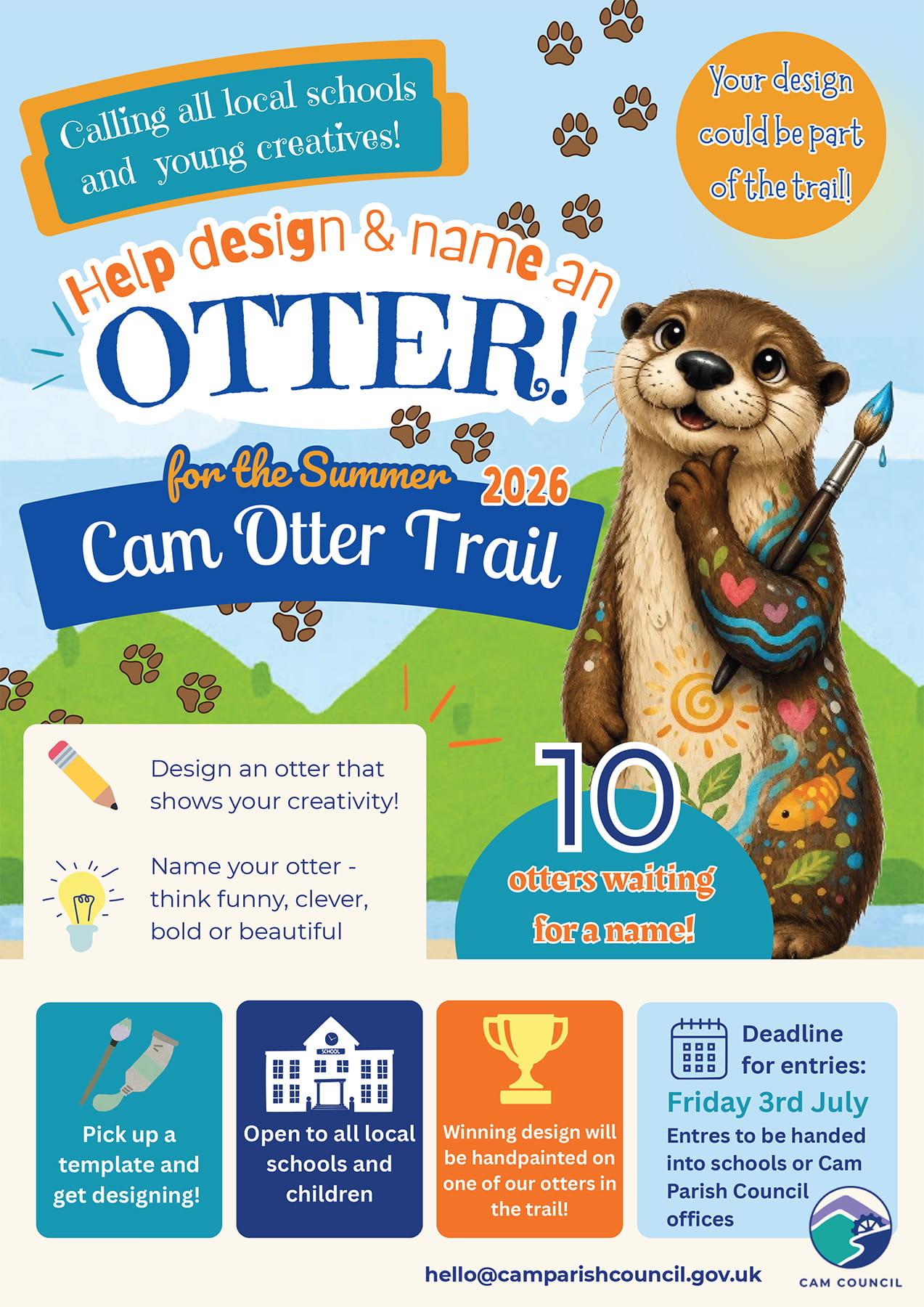
Help design an Otter for the CAM otter trail…

Calling all local school children and young creatives! This summer, you have the chance to leave your mark on the Cam Otter Trail by designing and naming your very own otter. Simply download a template, get creative and submit your design for a chance to have it transformed into a real trail otter and showcased for the whole community to enjoy!

Deadline: is Friday 3 July 2026

Some other activities for you:
Colour in an Otter
Otter word search
Some Otterly amazing facts…

1. Otters hold hands while they sleep!
To stop themselves drifting apart while floating on the water, otters often hold paws with their friends and family. How adorable is that?

2. A group of otters is called a “raft”.
When otters float together on the water, they form a raft – helping everyone stay safe and close by.

3. Otters are playful by nature.
They love sliding down muddy banks, splashing in the water, and playing games – not just for fun, but to help develop important survival skills.

4. Otters have the thickest fur in the animal kingdom.
Their super-soft coats can contain up to a million hairs per square inch, helping to keep them warm even in chilly water.

5. Otters can close their ears and noses underwater.
This clever adaptation helps them dive beneath the surface while hunting for fish and exploring riverbeds.

6. Otters are a sign of a healthy environment.
Because they need clean rivers, plenty of food, and good habitats, spotting an otter is often a sign that local wildlife is thriving.

7. Cam Parish Otters had a previous life! Our otters first appeared during the COVID-19 pandemic, celebrating key workers and the strength of our community. Chosen because they symbolise love, friendship, and strong bonds, they represented the connections that helped people through difficult times. Many were later auctioned to raise money for good causes, and the few remaining have now been given a second chance as part of our Otter Trail, continuing to bring people together.

Keep your eyes peeled this summer, you never know where an otter might pop up on the Cam Otter Trail!
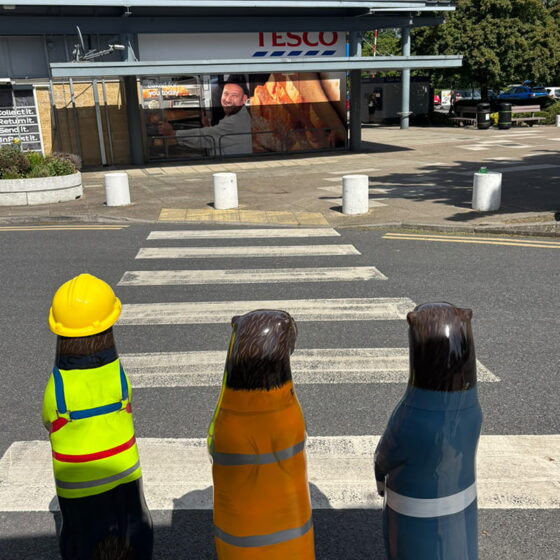
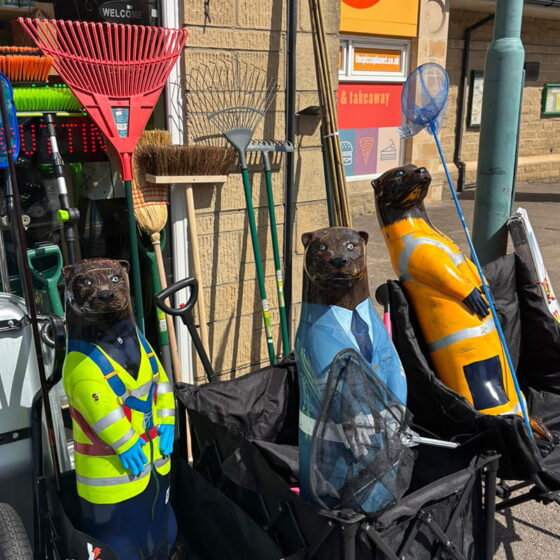
Make sure you keep an eye out for the Otters…

Follow the Otter

Make sure you follow the Otter on Facebook - @camotterspotter

Request a call back

Send us your details using the form below and we will be in contact with you:

Book A Call

CiL Expression of Interest

Complete this form if you have a good idea of something that needs to happen in Cam but need the Parish Council to work out the details and build a project. All ideas are welcome – there are no bad suggestions!

Council will consider these ideas alongside any formal project proposals it receives.

CiL Expression of Interest Form
0 of 500 max words
Outline what you think the project should be – what it should achieve
0 of 500 max words

CiL Project Proposal

Complete this form if you, or an organisation you are affiliated to, have a good idea which has been thought through, planned and costed to some extent.

CiL Project Proposal Form
This must be as shown on your governing document. Your governing document could be called one of several things, depending on the type of organisation you’re applying on behalf of. It might be called a constitution, trust deed, memorandum and articles of association, or something else entirely. You might find it on a registration website - for example, Companies House or a Charities Register.
The project name should be simple and to the point
If your project covers more than one area please tell us where most of it will take place
This is the cost of everything related to your project, even things you’re not asking us to fund. For example: If you’re asking us for £100,000 and you’re getting £20,000 from another funder to cover additional costs, your total project cost is £120,000. If you’re asking us for £60,000 and there are no other costs, your total project cost is £60,000. We do not need to know where the rest of your funding’s coming from right now.
This can be an estimate
Please give us a list of budget headings (for example, salaries, running costs, training, travel, overheads and refurbishment costs). We do not need any costs attached to these yet, or a detailed list of items. If we invite you to the next stage of the application process, we’ll ask you for a more detailed project budget, including a year-by-year breakdown. But right now, we just want to check if these are things we can fund.
0 of 500 max words
Tell us: • what you’d like to do • who will benefit from it • what difference your project will make • if it’s something new or if you’re continuing something that has worked well previously • we fund both types of projects.
0 of 500 max words
Let us know how many people you’ve spoken to, how they’ll be involved in the development and delivery of the project.
0 of 500 max words
Tell us: • any gaps in local services your work will fill. • what other local activities your work will complement. • what links you already have in the community that will help you deliver the project. • if this project is being delivered in partnership, tell us the names of your partners and the background of you all working together.
If yes, how does your organisation’s experience and connections mean it is best placed to run this project?
Cam
Parish Council

The most local form of government, focusing on the immediate community:

Five Allotment sites
Woodfields, Westend Ashmead 1&2 and Upthorpe

Play Areas and Open Spaces
Maintenance of 3 local parks (Jubilee Playing fields, Woodfields and Cam Green) and some smaller green open areas

Bus Shelters, Benches, Noticeboards
provision and upkeep

Consultation on Planning Applications
providing input to Stroud District Council

Community Events and Grants
organising events and supporting local groups

Local Issues and Representation
acting as a voice for the community

Stroud District Council (SDC)

The District Council has a statutory responsibility for services which include:

Housing
council housing, homelessness prevention

Planning and Development Control
local planning applications, building control

Waste Collection and Recycling
bin collections, street cleaning

Environmental Health
food safety, noise complaints, pest control

Leisure and Recreation
parks, sports facilities, arts

Economic Development
supporting local businesses, regeneration

Local Licensing
alcohol, taxis, and events licensing

Council Tax Collection and Benefits
local tax collection, housing benefits

Gloucestershire County Council (GCC)

The County Council has responsibility for strategic services including:

Education
schools, special educational needs, school admissions

Transport and Highways
major roads, public transport planning, transport safety

Social Care
services for children and adults, including safeguarding and support

Public Health
health promotion, mental health,

Libraries
county-wide library services

Waste Disposal
managing recycling centres and waste disposal

Emergency Planning
planning for floods, pandemics, and civil emergencies

Start Typing